


Cañada College




- College
- Full-time
- Part-time
- Hybrid
- Online
- english
About the Cañada College
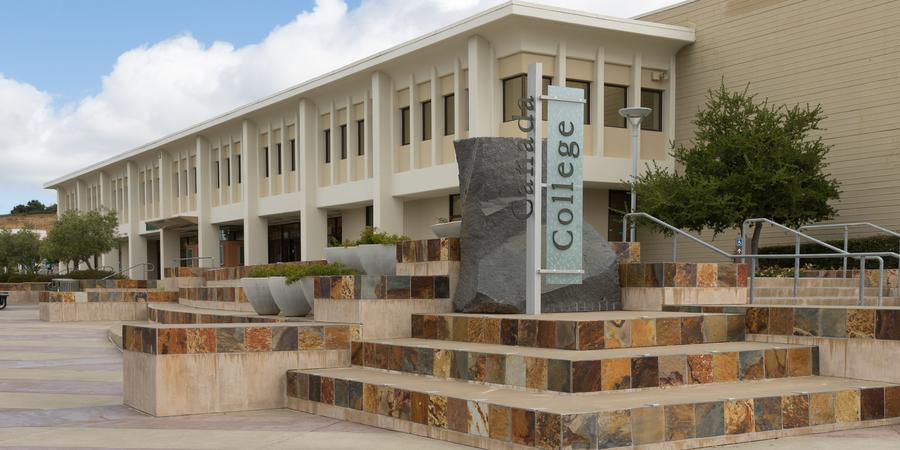
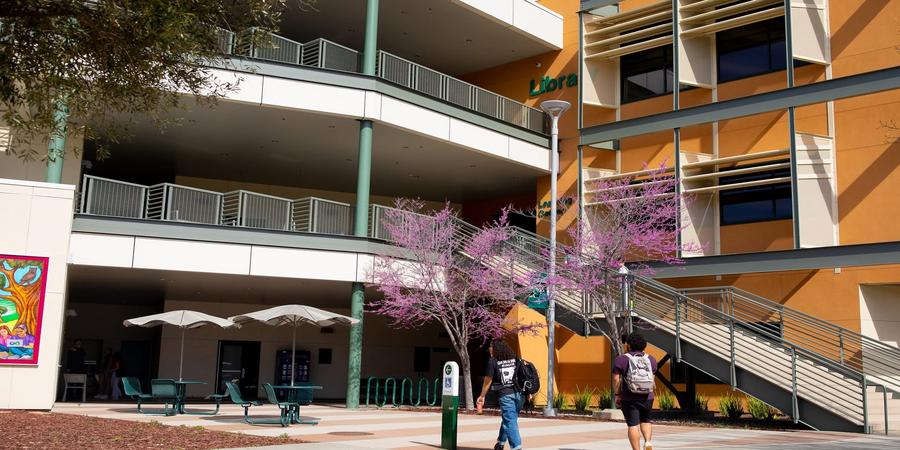
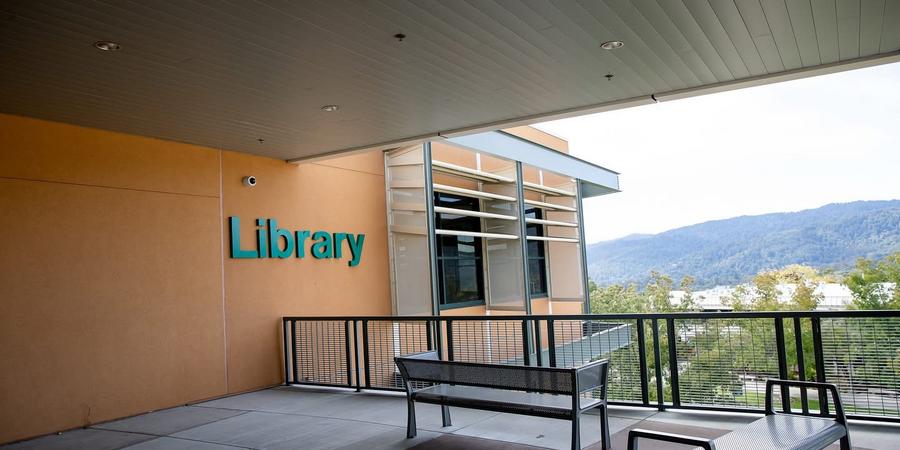
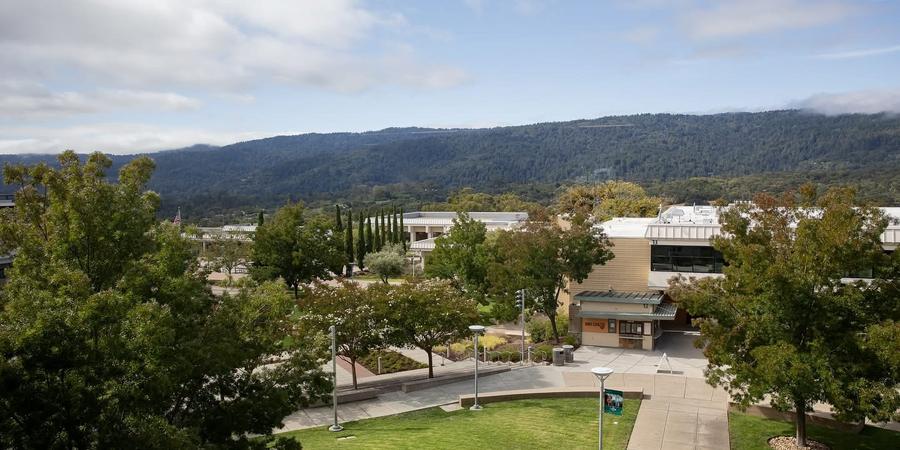
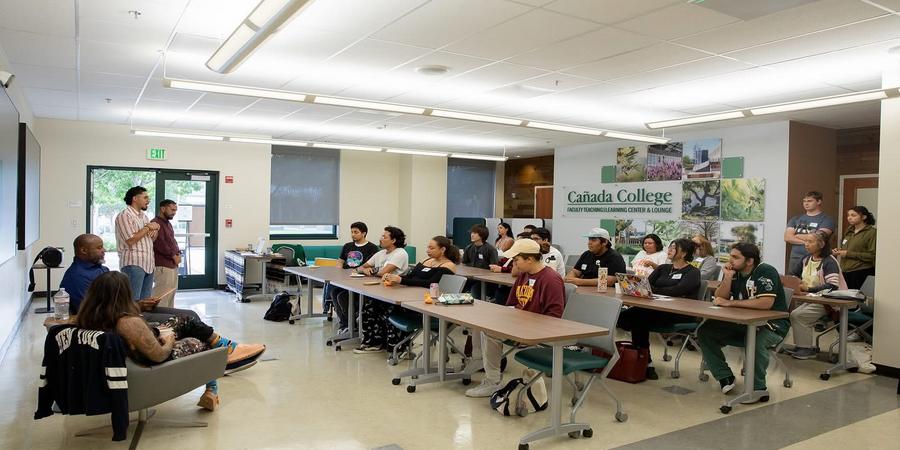
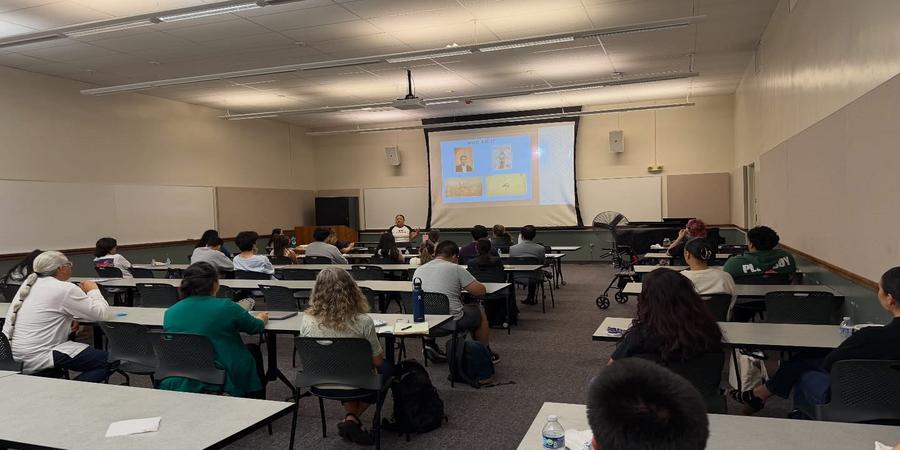
Cañada College is a public two-year college that opened in 1968 (the first classes, in September 1968, were planned for 2,000 students). The campus covers about 131 acres in western Redwood City, in the foothills of the Santa Cruz Mountains, with views of the Bay. The college mainly serves southern San Mateo County (Redwood City, Menlo Park, East Palo Alto and others). Enrollment is about 5,400–6,900 students (about 6,660 in 2024–25, of whom about 180 are international), and the student-faculty ratio is about 26:1. Its academic divisions are Business, Design & Workforce; Humanities & Social Sciences; and Science & Technology. It is a regional center for STEM education (with an award-winning STEM Center) and offers nearly 80 AA/AS programs and about 48 certificate programs (per Wikipedia; the college itself cites "more than 40 academic programs"), flexible scheduling (day, evening, weekend and online courses), a Middle College program for high school students, and the University Center — a partnership with San Francisco State University — plus degree-completion programs with Notre Dame de Namur University. The library belongs to the Peninsula Library System. It is accredited by the ACCJC (initial accreditation in 1970; the next comprehensive review is in 2026). In 2015 USA Today named it one of the top 10 community colleges in Northern California, and the Golden Returns 2025 ranking placed it 5th in California for return on investment.
MoreLoading...
Admission conditions in Cañada College
• Open admission: high school graduates and GED holders (and Middle College students) may enroll; there is no competitive selection (except for a few programs, such as radiologic technology). • Apply online through the California Community Colleges portal (OpenCCC) and the SMCCCD system; applying is free; admission is rolling (fall, spring and summer terms). International students (F-1 visa): a separate Cañada International program; academic records, proof of English proficiency (TOEFL, IELTS, Duolingo and others) and proof of funds are required; the college issues the I-20. Information for international students is available in Chinese, Spanish, Turkish and Vietnamese. • Study format is on-campus and online (some programs fully online). • For students planning to transfer: advising at the Transfer Center (COLTS-U) and use of Associate Degrees for Transfer (ADT).
MoreMinimum rating for admission to Cañada College
Not applicable: admission is open, SAT/ACT scores are not required and there is no competitive cutoff. International students must show English proficiency and a secondary school diploma.
Prospects after completing studies in Cañada College
• The main path is transfer to four-year universities: Associate Degrees for Transfer (AA-T/AS-T, ADT) guarantee admission to the California State University (CSU) system; for the University of California, transfer admission guarantees (TAG) exist at UC Davis, UC Irvine, UC Merced, UC Riverside, UC Santa Barbara and UC Santa Cruz. STEM students have transferred to UC Berkeley, UC Davis, UC Santa Cruz and UC San Diego; per the college, the district's UC transfer admission rate is close to 90%. • ADT fields include Anthropology, Art History, Business Administration, Communication, Computer Science, Early Childhood Education, Psychology and others. • Student outcomes: in 2023–24 the college awarded 320 associate degrees and 183 certificates (427 degree petitions and 239 certificate petitions); the three-year graduation rate was about 32% and the four-year rate about 37% (2021–22 data). • Career programs (certificates and AS degrees) prepare students for work in health care (Allied Health), business, technology, design and education; the Silicon Valley location gives access to internships at technology companies. • The credential (an associate degree) is American-style; regional accreditation (ACCJC) supports credit transfer to US four-year institutions; international recognition is via standard credential evaluation.
More


Reviews